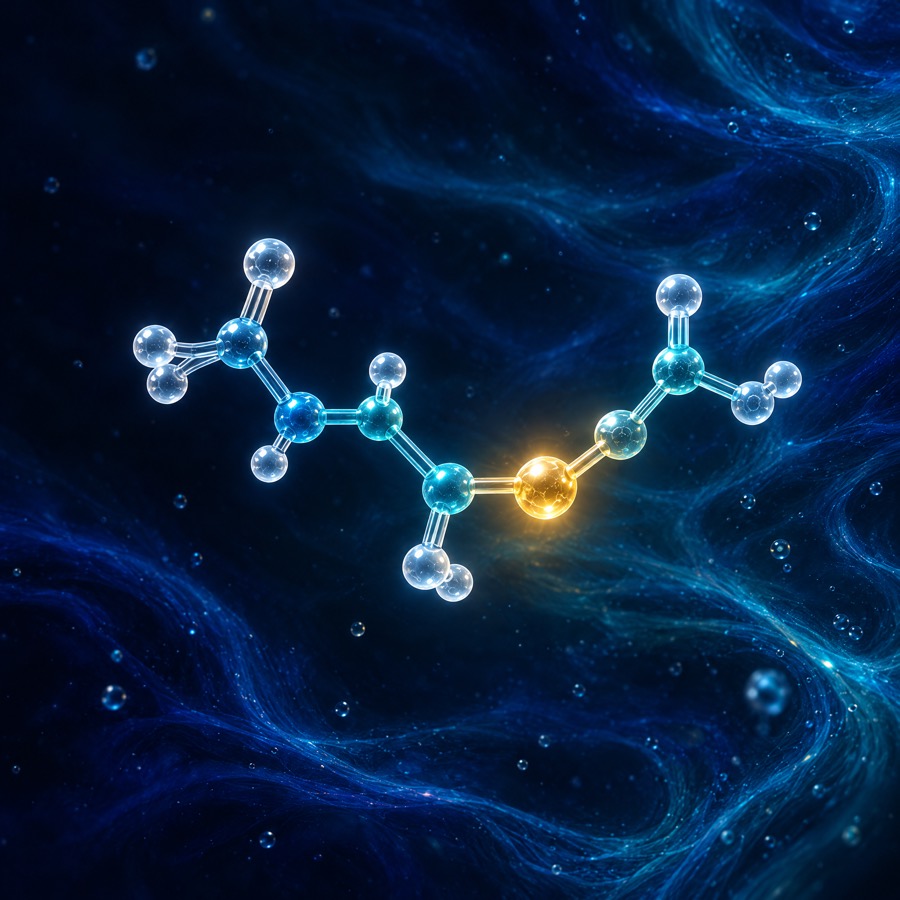
N-acetylcysteine
Cysteine sourceN-acetyl-L-cysteine (NAC)A stable form of cysteine, the sulphur-carrying building block whose supply sets the pace of glutathione synthesis. The most studied of the four in cartilage.
- NAC protected cartilage cells from nitric oxide-induced death, and the protection vanished when glutathione synthesis was blocked. Injected into rat knees, NAC reduced cartilage damage. (Lab)Nakagawa 2010
- NAC given by mouth held back MMP13, the loss of type II collagen and cartilage cell death, and significantly slowed osteoarthritis development in rats. (Lab)Kaneko 2019
- NAC delivered to cartilage cells in targeted nanoparticles restored their glutathione under mechanical stress and, injected into mouse knees, reduced cartilage breakdown. The effect needed GPX4. (Lab)Wang 2026
- In a 16-week placebo-controlled trial in 24 older adults, GlyNAC corrected glutathione deficiency and improved oxidative stress, inflammation, gait speed and muscle strength. Placebo did not. (Human trial)Kumar 2023
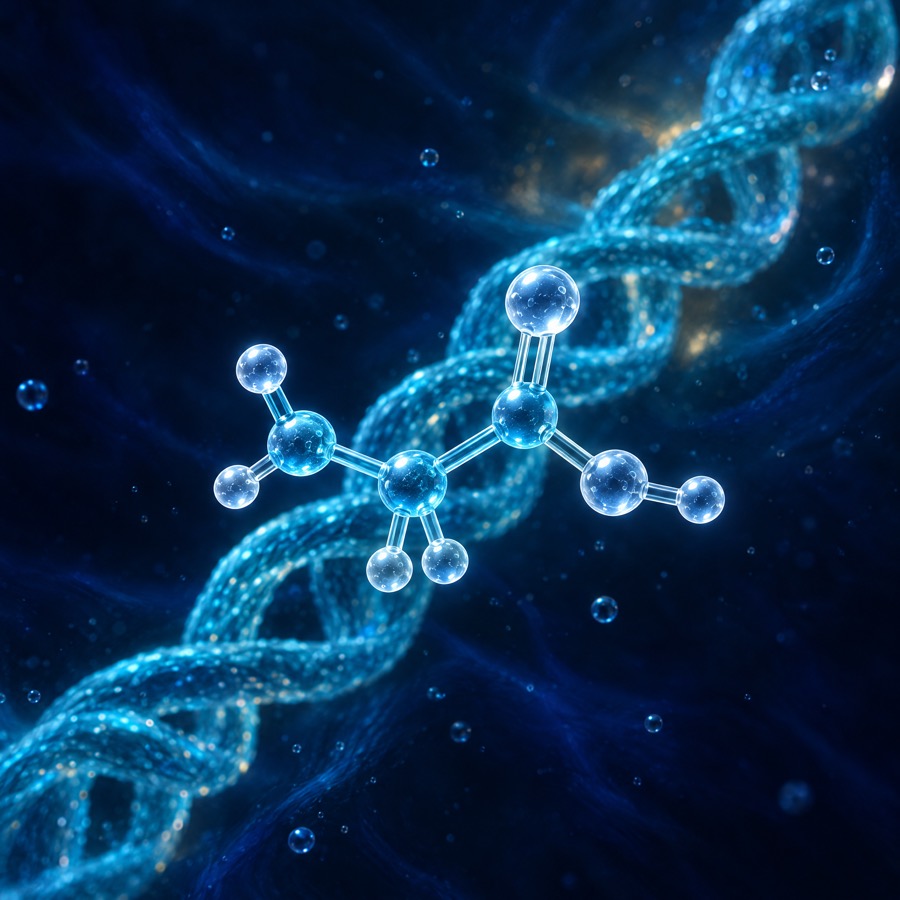
L-glycine
Building blockGlycine, the smallest amino acidThe third building block of glutathione and every third amino acid in collagen. The body's own supply may run short of all its uses.
- Raising glycine above 1 mM increased type II collagen production by cartilage cells by 60 to 75%, a larger and longer-lasting effect than proline or lysine. (Lab)de Paz-Lugo 2018
- An analysis of human glycine supply. The body makes about 3 g a day and food adds 1.5 to 3 g, which may fall about 10 g a day short of all its uses, collagen included. (Review)Meléndez-Hevia 2009
- Eight older adults had lower red-cell glycine, cysteine and glutathione and made glutathione more slowly than younger adults. Two weeks of cysteine and glycine raised their glutathione by about 95% and lowered markers of oxidative stress. (Human study)Sekhar 2011
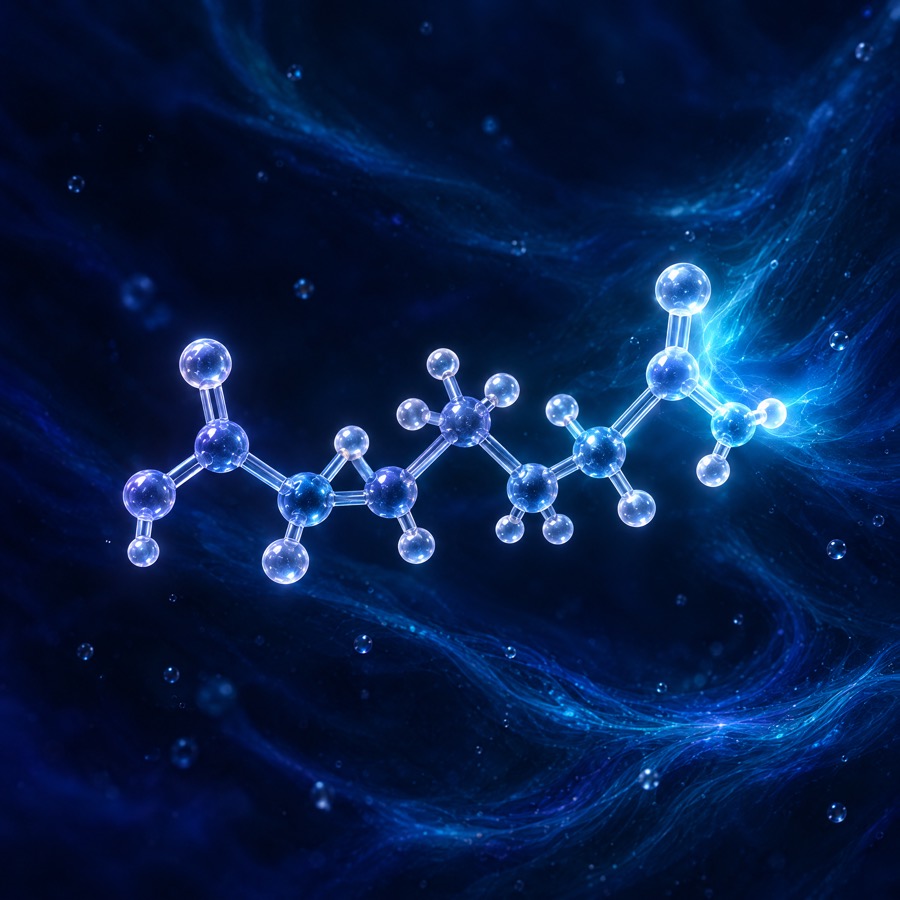
L-glutamine
Glutamate sourceL-glutamineCells convert it to glutamate, the first building block of glutathione. In cartilage cells it is tied to cell identity and survival.
- Cartilage cells' identity was tied to glutamine use. SOX9 raised glutamine uptake, and glutathione made from glutamine kept reactive oxygen species down so the cells could survive without a blood supply. (Animal)Stegen 2020
- Glutamine almost completely prevented the loss of cartilage cells under heat stress and nitric oxide, alongside a rise in the protective protein HSP70. (Lab)Tonomura 2006
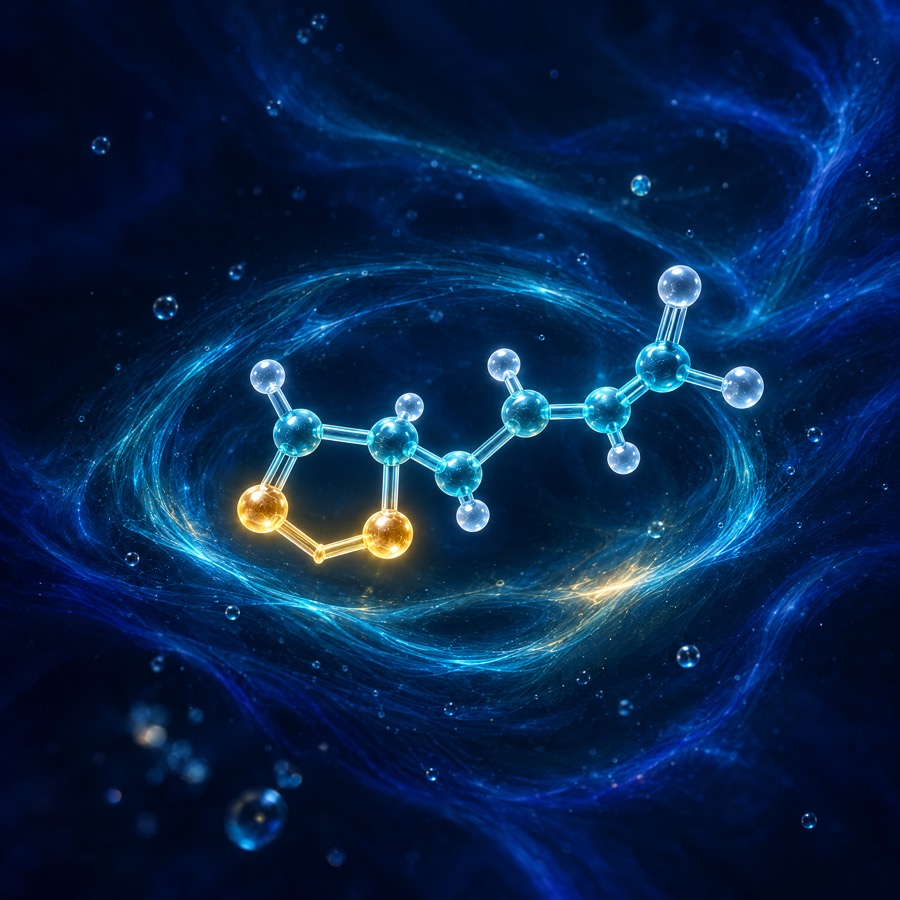
Alpha-lipoic acid
Cysteine helperAlpha-lipoic acid, reduced in cells to dihydrolipoic acidNot a building block itself: it helps cells take up cysteine, and its reduced form protected cartilage cells' glutathione.
- Lipoic acid, once reduced, raised cells' own glutathione by helping them take up cysteine. It mainly restored cells that were short of glutathione rather than pushing healthy cells higher. (Lab)Han 1997
- In rats, alpha-lipoic acid lessened cartilage damage, raised collagen type II and aggrecan gene activity and lowered markers of oxidative damage. (Animal)Wang 2016
- Dihydrolipoic acid, the active form of lipoic acid, protected cartilage cells' glutathione and GPX4, suppressed ferroptosis and slowed cartilage damage in mice. (Lab)Chen 2026
Lab and animal studies show how an ingredient acts on cartilage cells. They don't show what a daily amount does in a person. Where a human trial exists, it's labelled, and none of the studies tested the Gluthanol™ blend.