
Your cartilage makesits own antioxidant.
Cartilage glutathione is the antioxidant your cartilage cells build from three amino acids to protect themselves. After 50 it oxidises faster. Gluthanol™ is the technology built to supply its raw materials.
Share of cartilage made up of cells. They maintain all of it.Sophia Fox et al. · Sports Health 2009
More cartilage cells from donors 50+ died under oxidant stress.Del Carlo, Loeser · Arthritis Rheum 2003
Amino acids glutathione is built from: glutamate, cysteine, glycine.Lu · Biochim Biophys Acta 2013
Cartilage isn't padding. It's kept alive by its cells.
No blood supply
Articular cartilage has no blood vessels, lymphatics or nerves. Nutrients reach its cells with the water that moves through it each time the joint is loaded.
Sophia Fox 2009A few cells keep it all
Chondrocytes make up about 2% of cartilage, and each one maintains the matrix around it. Lose the cell and the tissue loses its keeper.
Sophia Fox 2009They make their own protection
Living without a blood supply, the cells rely on glutathione they make themselves to keep reactive oxygen species down.
Stegen 2020 · Zhu 2020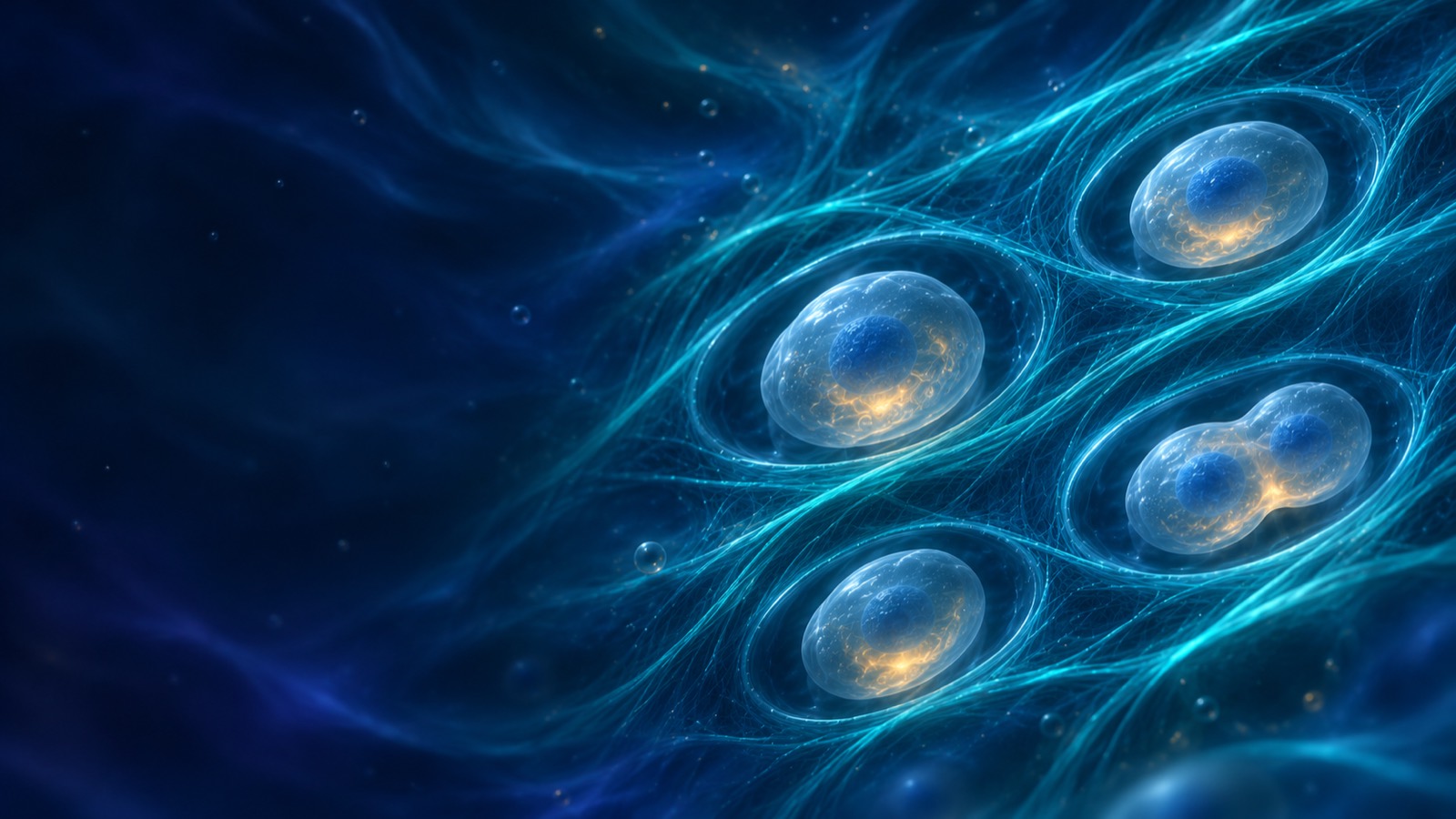 Chondrocytes in their lacunae
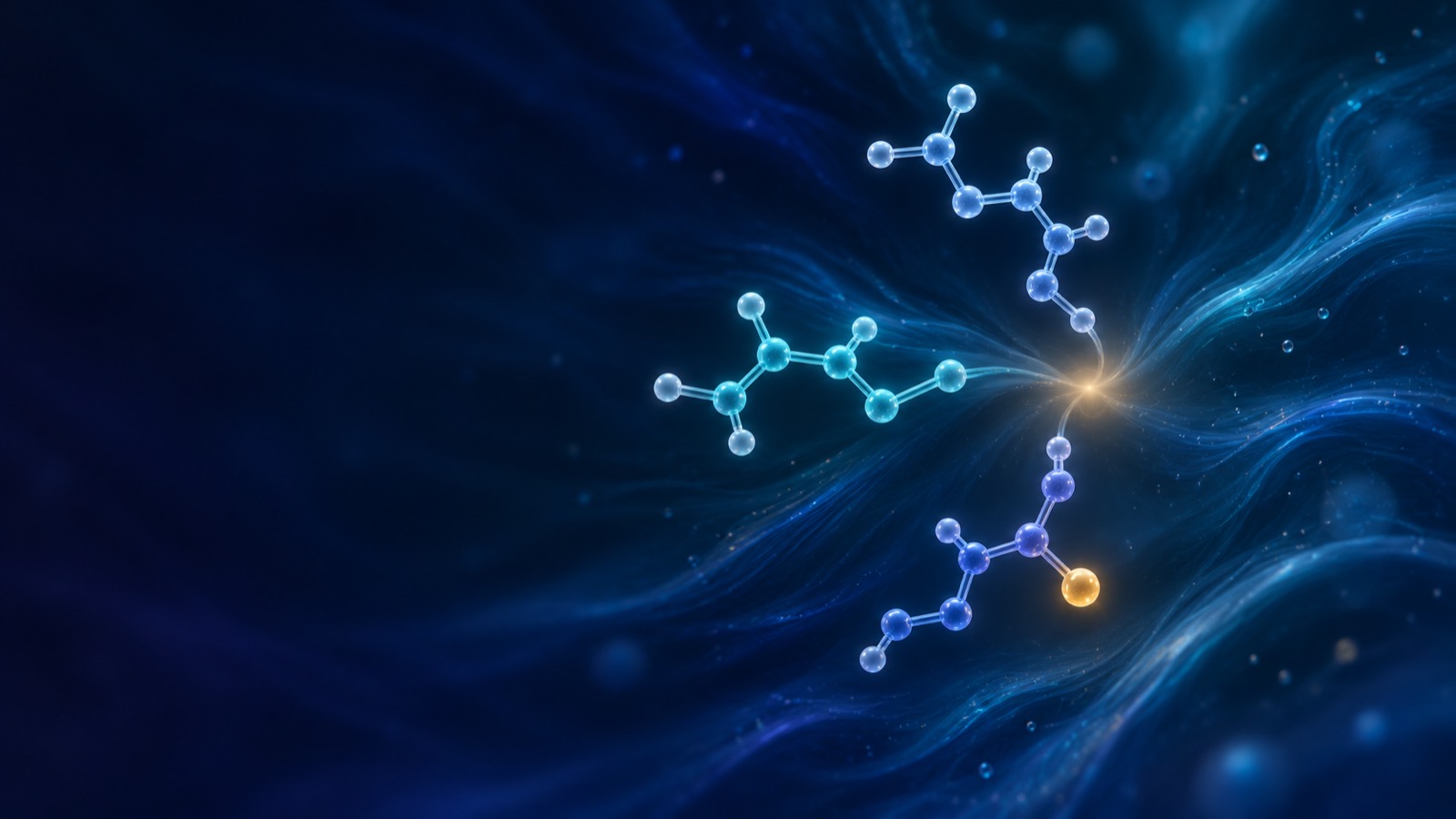 Glutamate · cysteine · glycine
Build. Spend. Recycle. The loop inside every cartilage cell.
Build
Two enzymes join glutamate, cysteine and glycine into glutathione. The cysteine supply sets the pace.
Lu 2013Spend
The sulphur group on cysteine gives up electrons to neutralise oxidants, and two used molecules pair up as oxidised glutathione.
Forman 2009Recycle
Glutathione reductase turns the used form back into the working form. In human cartilage cells, oxidative stress itself slowed that enzyme down.
Del Carlo 2003After 50, the defence runs down.
The research points one way: older cartilage cells hold more of their glutathione in its used form, switch on their antioxidant defences less readily, and cope worse when stress arrives.
Older cells die more readily
More than twice as many cartilage cells from donors aged 50 and over died under oxidant stress as cells from donors aged 18 to 49.
Del Carlo 2003Cartilage glutathione oxidises
Cartilage held more glutathione than the meniscus or fat pad, but it was more prone to age-related oxidation.
Zhu 2020The switch weakens
Nrf2, which turns antioxidant defences up, was about 40% lower in older cartilage cells and barely rose under stress.
Taylor 2023more cell death in cartilage cells from donors 50+
lower Nrf2 in cartilage cells from older adults
rise in older adults' glutathione with cysteine and glycine
peer-reviewed studies in our library
It's a supply problem. And supply can be fixed.
Cut the cysteine, lose the glutathione
Removing cystine from their culture medium was enough to drain human cartilage cells of glutathione and leave them more likely to die under stress.
Del Carlo 2003Older bodies run short
Older adults had lower glycine and cysteine in their red cells and made glutathione more slowly. Two weeks of both raised it by about 95%.
Sekhar 2011Glycine is stretched thin
The body makes about 3 g of glycine a day and food adds 1.5 to 3 g, which may fall about 10 g short of every use, collagen included.
Meléndez-Hevia 2009
"Cells depleted of intracellular glutathione were more susceptible to cell death."
Del Carlo M Jr, Loeser RF. Increased oxidative stress with aging reduces chondrocyte survival: correlation with intracellular glutathione levels. Arthritis Rheum 2003. PMID 14673993
Gluthanol™. Built for the cell, not just the matrix.
Most joint nutrition feeds the cartilage matrix. Gluthanol™ is a four-part blend aimed at the cell that maintains it: three of glutathione's raw materials, and one helper that lets the cell use them.
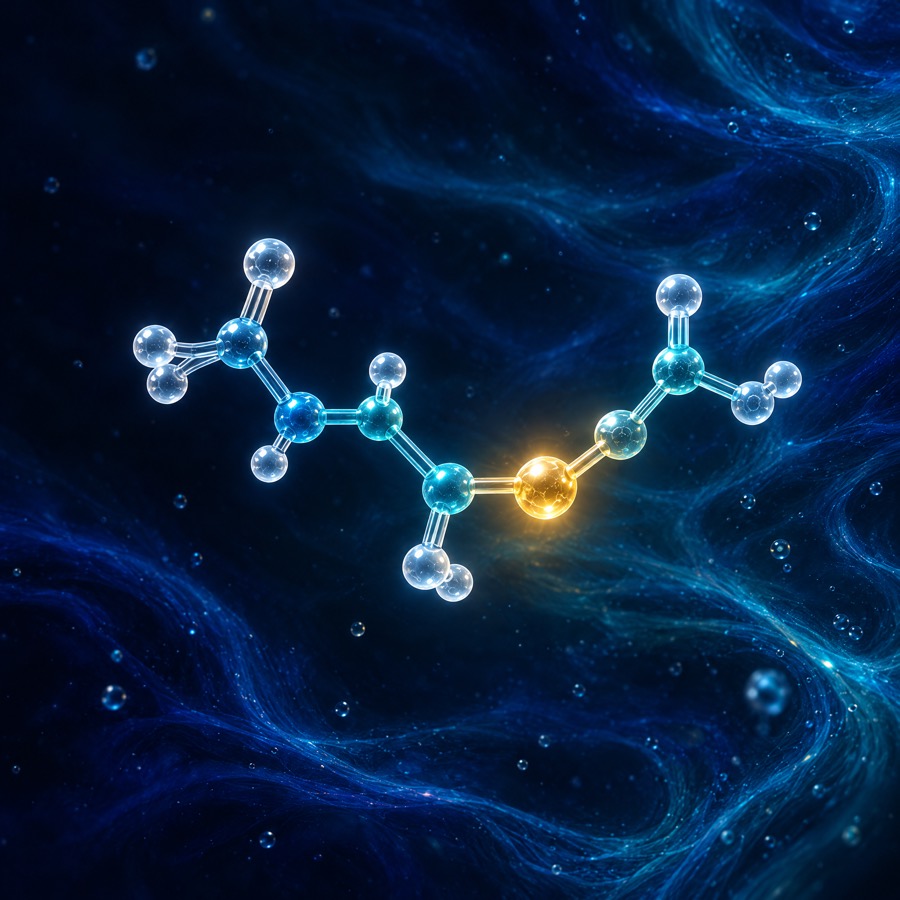 Cysteine source
N-acetylcysteine
Supplies cysteine, the building block that sets the pace of glutathione synthesis.
Nakagawa 2010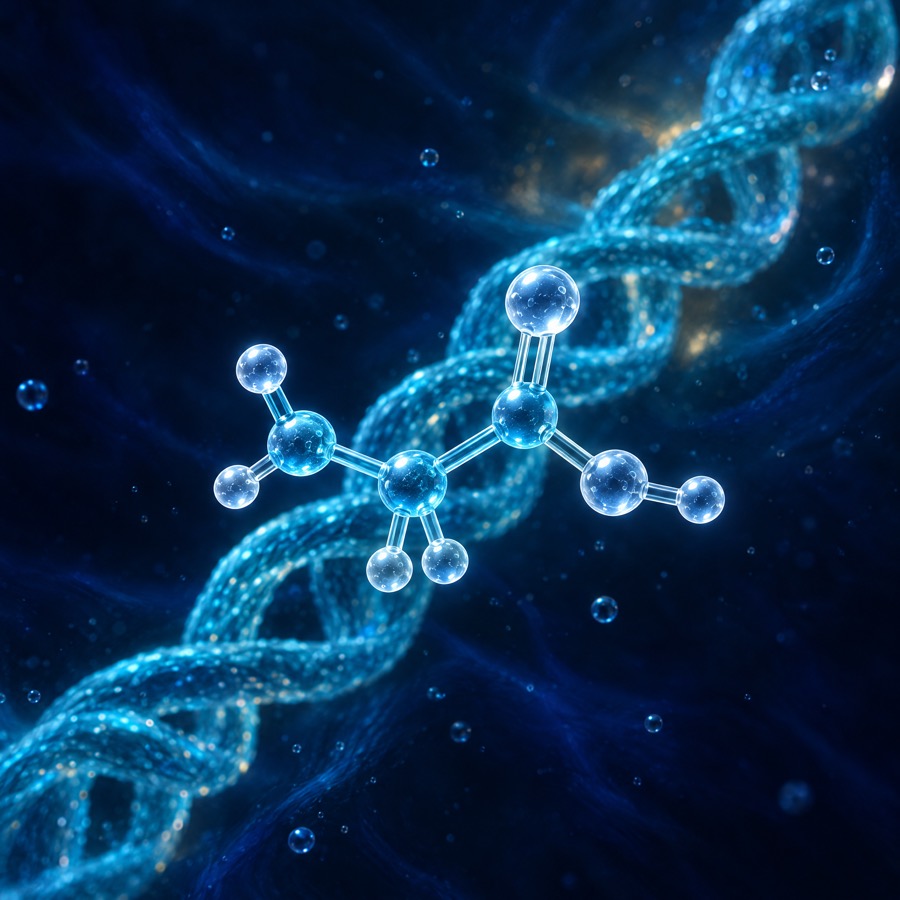 Building block
L-glycine
Finishes the glutathione molecule, and is every third amino acid in collagen.
de Paz-Lugo 2018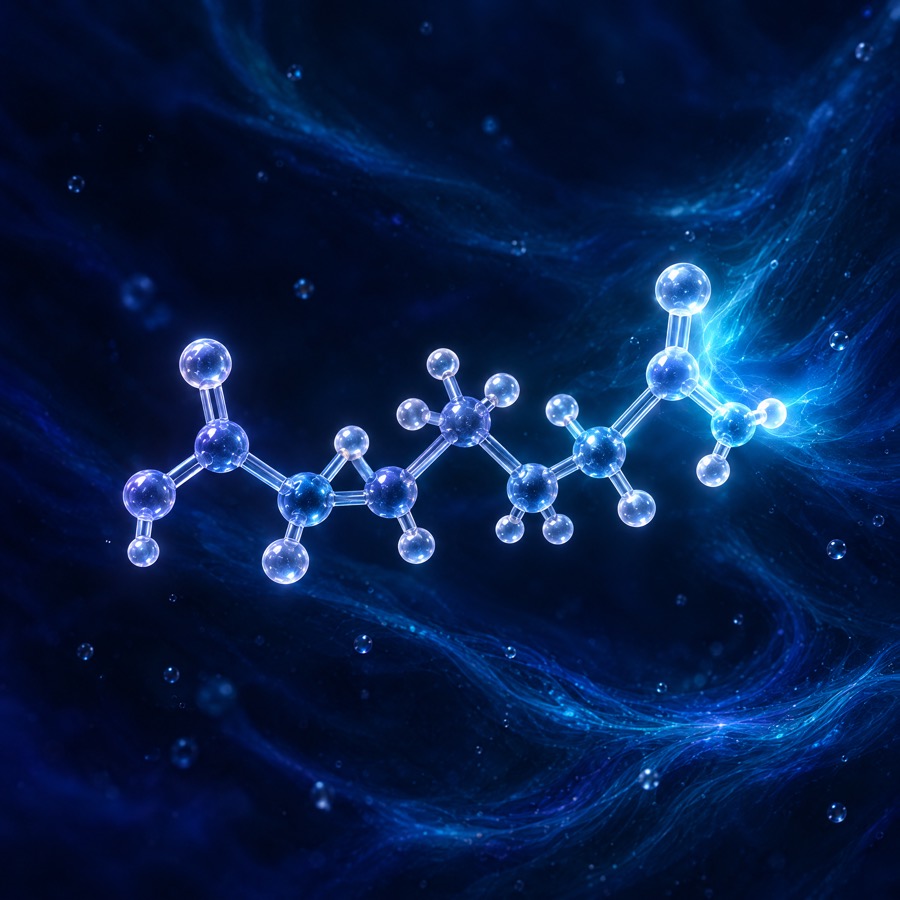 Glutamate source
L-glutamine
The cell's source of glutamate, glutathione's first building block.
Stegen 2020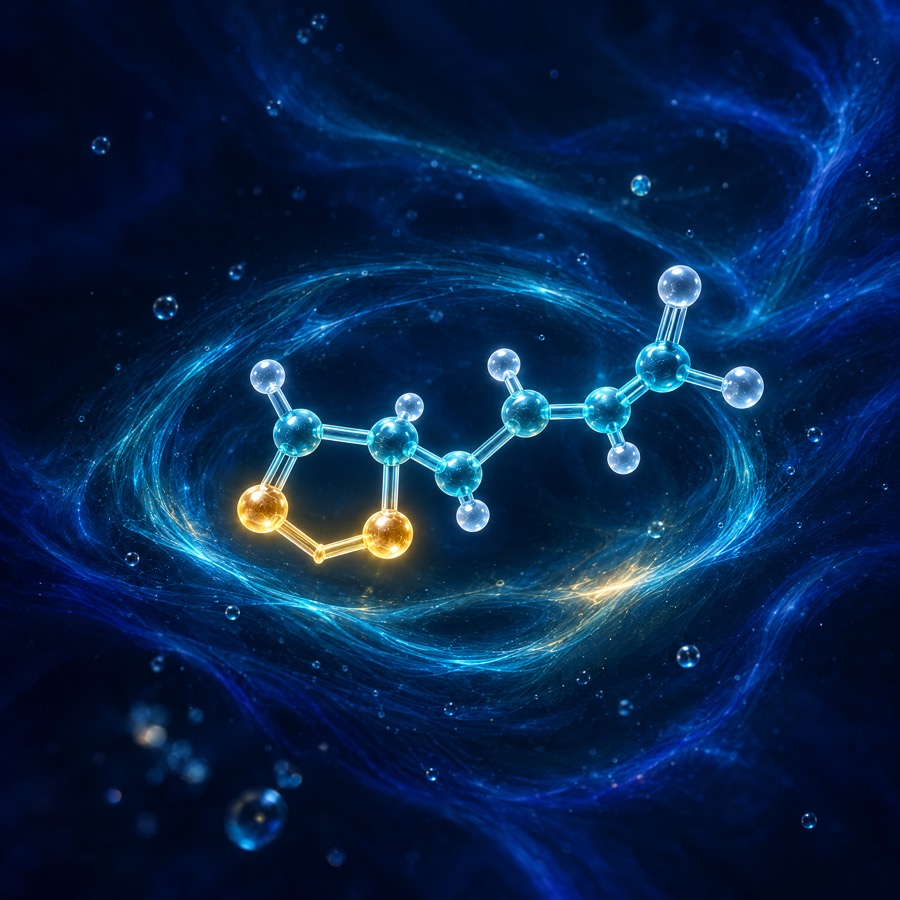 Cysteine helper
Alpha-lipoic acid
Helps cells take up cysteine and raise their own glutathione.
Han 1997One of three technologies, designed to work together.
MMP13 Cartilage Technology™
Built around MMP13, the enzyme that cuts cartilage collagen. Oxidative stress is one of the signals that switches it on in human cartilage cells.
Rong 2019The joint fluid
Hyaluronic acid and omega-3s look after the fluid that every nutrient travels through to reach the cell.
Sophia Fox 2009
27 studies, each one cited and labelled for what it can and can't tell you.
Open the study libraryMore than twice as many cartilage cells from donors aged 50 and over died under oxidant stress as cells from donors aged 18 to 49. The older cells held more of their glutathione in its used form, and cells drained of glutathione died more readily.
Human trial · 2023In a 16-week placebo-controlled trial in 24 older adults, GlyNAC corrected glutathione deficiency and improved oxidative stress, inflammation, gait speed and muscle strength. Placebo did not.
Lab · 2019NAC given by mouth held back MMP13, the loss of type II collagen and cartilage cell death, and significantly slowed osteoarthritis development in rats.
Questions people ask about cartilage glutathione.
All 17 questionsWhat is cartilage glutathione?
How do cartilage cells make glutathione?
What happens to cartilage glutathione with age?
What does oxidative stress do to cartilage?
What is the GSH:GSSG ratio, and why does it matter for cartilage?
Does loading a joint use up cartilage glutathione?
Cartilage has no blood supply. How are its cells fed?
Start with the cell.
What cartilage glutathione is, how cartilage cells make it, and what changes with age.